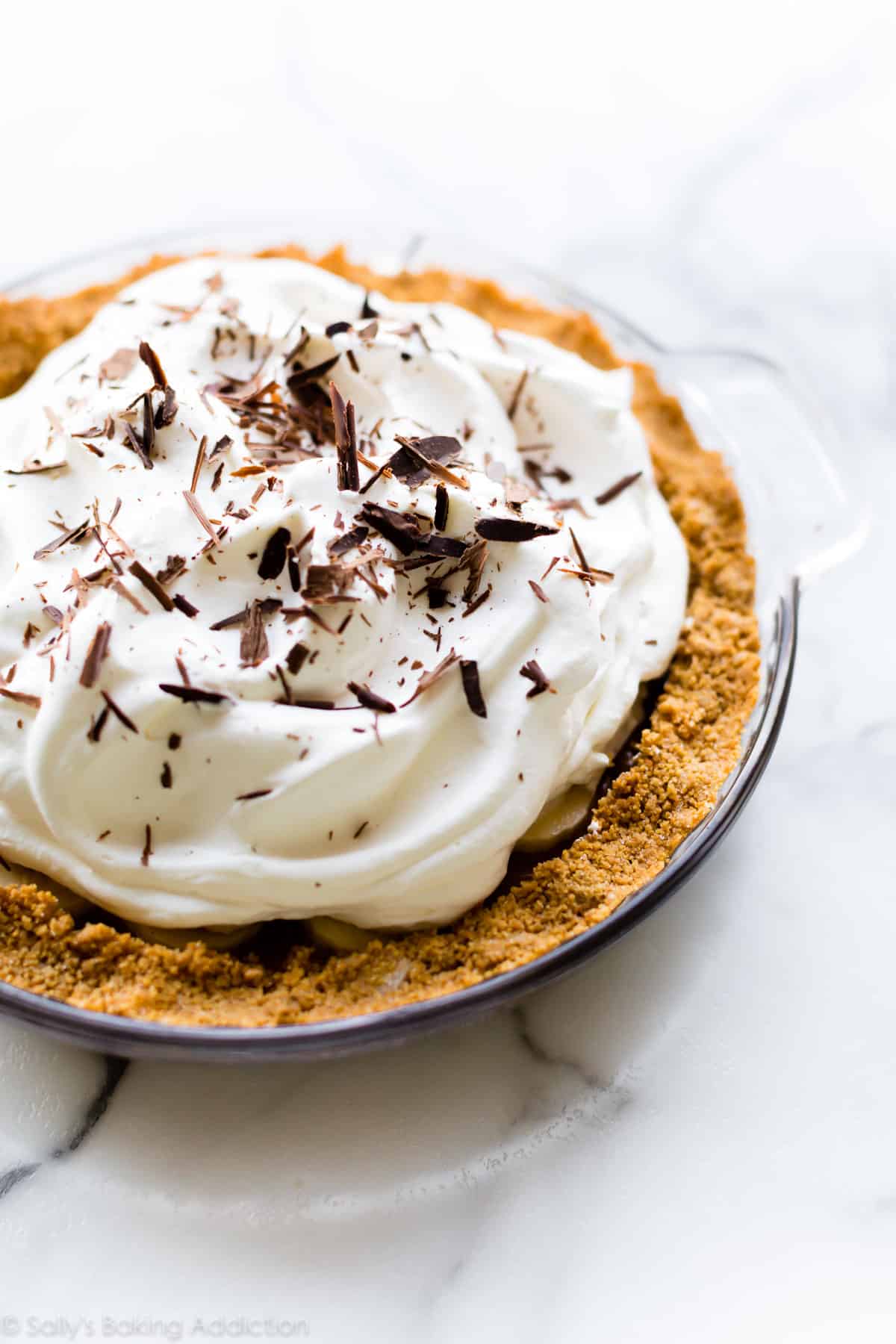
Why Homemade Whipped Cream Beats Store-Bought: Tips for Success
Imagine a cloud of pure, airy delight gracefully adorning your favorite dessert. That's the magic of homemade
whipped cream – a revelation in taste and texture that store-bought alternatives simply cannot replicate. While convenient, the canned or tubbed versions often fall short, laden with stabilizers, artificial flavors, and an overly sweet profile that masks the natural goodness of fresh cream. Making your own is not just an act of culinary prowess; it's a simple, five-minute transformation that elevates any sweet treat from pleasant to truly unforgettable. If you've ever wondered if the effort is worth it, prepare to be convinced.
The Unbeatable Advantages of Homemade Whipped Cream
The moment you experience homemade whipped cream, you'll understand why it’s a game-changer. It’s more than just a topping; it's an integral part of the dessert experience, offering a purity and freshness that industrial products can only dream of.
Superior Taste and Texture
The most immediate and striking difference lies in the sensory experience. Homemade whipped cream boasts an outrageously creamy, light, and pillowy texture that melts delicately in your mouth. Its flavor is a harmonious balance of rich dairy, subtle sweetness, and often, a hint of vanilla, creating a pure and clean taste. In contrast, many store-bought varieties can feel dense, gummy, or even greasy, often leaving an artificial aftertaste that detracts from the dessert it's meant to enhance. The difference is akin to comparing freshly squeezed orange juice with a concentrate – there's simply no contest in vibrancy and authenticity.
Control Over Ingredients
One of the greatest benefits of making your own whipped cream is complete control over what goes into it. You start with high-quality heavy cream, add your preferred sweetener and flavoring, and that's it. This means you can avoid the laundry list of ingredients found in store-bought options, which often include hydrogenated oils, corn syrup, mono- and diglycerides, and artificial flavorings to achieve stability and a longer shelf life. For those with dietary concerns or a preference for natural ingredients, homemade is the clear winner. You dictate the sweetness level, the intensity of vanilla, or even experiment with other flavor extracts like almond or peppermint.
Cost-Effectiveness
While a single can of whipped cream might seem inexpensive, the truth is that a pint of heavy cream goes a surprisingly long way. When you compare the volume and quality, making your own whipped cream is often more economical than repeatedly purchasing pre-made versions, especially if you're a frequent baker or entertainer. A single container of heavy cream can yield a substantial amount of luscious, fresh whipped cream for multiple desserts.
The Simple Magic: Key Ingredients for Perfect Whipped Cream
Achieving perfect homemade whipped cream requires just a few basic ingredients. The secret lies not in complexity, but in quality and how you handle them.
The Foundation: Heavy Cream is King
For the firmest whipped cream that holds its shape beautifully, **cold** heavy cream, heavy whipping cream, or double cream is absolutely essential. These dairy products typically have a fat content of 36% or higher. This high fat content is crucial because it's the fat globules that stabilize the air pockets created during whipping, giving the cream its structure and volume. Lower fat milks or half-and-half simply won't whip up properly.
Keeping your cream as cold as possible is the first golden rule. Many seasoned bakers even store their cream in the coldest part of their fridge – often the very back – right until they're ready to whip. If your cream isn't adequately chilled, it will take longer to whip and may not achieve the desired volume or stability. For more detailed insights on temperature and achieving optimal results, explore our guide on
Master Whipped Cream: Cold Cream & Peak Stages for Every Dessert. For those seeking a dairy-free alternative, coconut cream (the thick, solid part from a can of full-fat coconut milk, chilled overnight) can be a fantastic substitute, offering a similar luxurious texture.
Sweetness to Your Liking
When it comes to sweetening your whipped cream, you have options. Powdered sugar (confectioners’ sugar) is a popular choice because its fine texture dissolves easily, ensuring a silky smooth result without a grainy mouthfeel. Plus, the cornstarch often found in powdered sugar adds a touch of extra stability. However, granulated sugar, maple syrup, or honey can also be used. For one cup of heavy cream, 1 to 2 tablespoons of sweetener is usually perfect for a hint of sweetness that complements rather than overpowers. The beauty is you can always taste and adjust to your personal preference.
The Essence of Flavor: Vanilla and a Pinch of Salt
While optional, a splash of pure vanilla extract is highly recommended. Vanilla adds a warm, aromatic depth that transforms plain cream into vanilla whipped cream, a classic and beloved flavor. But don't stop there. A tiny pinch of fine salt might seem counterintuitive in a sweet dish, but it’s a secret weapon that elevates the overall flavor profile. Just like in baking, salt brightens and balances sweetness, making the whipped cream taste even more vibrant and delicious without tasting salty.
Mastering the Technique: Tips for Whipped Cream Success
Making perfect whipped cream truly is a 5-minute affair once you know the ropes. Here's how to ensure creamy perfection every time. For an in-depth look at the quick process, check out
Homemade Whipped Cream: The 5-Minute Secret to Creamy Perfection.
The Critical Role of Cold Ingredients
We cannot stress this enough: **cold cream whips better and holds its shape longer.** Beyond just the cream, chilling your mixing bowl and whisk attachments (from a stand mixer or hand mixer) in the freezer for 10-15 minutes before you begin can make a significant difference, especially if your kitchen is warm. The colder everything is, the faster the fat globules in the cream will solidify and trap air, resulting in a stable, voluminous whipped cream.
Understanding Whipped Cream Stages: From Soft to Stiff
Knowing when to stop whipping is key to achieving the perfect consistency for your specific use. Whipped cream progresses through three main stages:
*
Soft Peaks: At this stage, the cream is thick and velvety, but when you lift the whisk, the peaks gently slump over. Soft peaks are ideal for folding into lighter mixtures like a mousse, or for creating a delicate, swoopy topping for a berry fruit salad where a firmer texture isn't desired.
*
Medium Peaks: This is arguably the most versatile stage. The cream holds its shape well when the whisk is lifted, but the tip of the peak still curls over slightly. Medium peaks are perfect for spooning onto desserts, spreading onto cakes, or as a creamy filling for dishes like tiramisu or strawberry shortcakes. It has enough structure to hold up but remains wonderfully airy.
*
Stiff Peaks: When the cream is whipped to stiff peaks, it forms rigid peaks that stand straight up when the whisk is removed and holds its shape firmly. This stage is excellent for piping decorations, creating very stable toppings for pies, or when you need the whipped cream to maintain its form for an extended period. Be careful not to over-whip beyond stiff peaks, as you risk turning the cream grainy and eventually into butter.
Equipment Matters
While you *can* whip cream by hand with a whisk, an electric hand mixer or a stand mixer with a whisk attachment will make the process much faster and easier. Choose a bowl that is large enough to contain the volume of cream as it expands, preventing splatters, and preferably one made of glass or metal, as plastic can sometimes retain a greasy film that inhibits whipping.
Beyond the Bowl: Creative Uses for Your Homemade Whipped Cream
Once you've mastered the art of homemade whipped cream, a world of dessert possibilities opens up. Its versatility makes it the perfect accompaniment for an astonishing array of treats:
*
Classic Desserts: Spoon it generously over pies (think pumpkin, apple, or chocolate cream), cheesecakes, and fruit tarts.
*
Breakfast & Brunch: Elevate your pancakes, waffles, or French toast with a dollop.
*
Fruit Companions: Pair it with fresh berries, sliced peaches, or a simple fruit salad for a light yet luxurious treat.
*
Baked Goods: Use it as a filling for layer cakes, a topping for lemon blueberry cake, or the star of classic strawberry shortcake.
*
Beverage Boost: Swirl a generous spoonful into hot chocolate, coffee, or even a homemade pumpkin spice latte for an indulgent twist.
Homemade whipped cream isn't just a topping; it's a finishing touch that speaks volumes, transforming everyday desserts into extraordinary experiences.
Conclusion
There's an undeniable charm and superior quality to homemade whipped cream that store-bought versions simply cannot match. From its pure, fresh taste and light, pillowy texture to the absolute control you have over its ingredients, taking those five minutes to whip up a batch is an investment in flavor and satisfaction. With just a few simple ingredients and our essential tips, you're well on your way to creating a cloud of creamy perfection that will elevate any dessert and impress every palate. So, next time you're reaching for a sweet treat, skip the can and embrace the simple magic of homemade whipped cream – your taste buds will thank you.